Inside Korea’s Unique Donation Culture: The "Trust-Based" Welfare Model
Beyond bureaucracy: How the Korean concept of 'Jeong' is reshaping social safety nets like the "Just Dream" project.
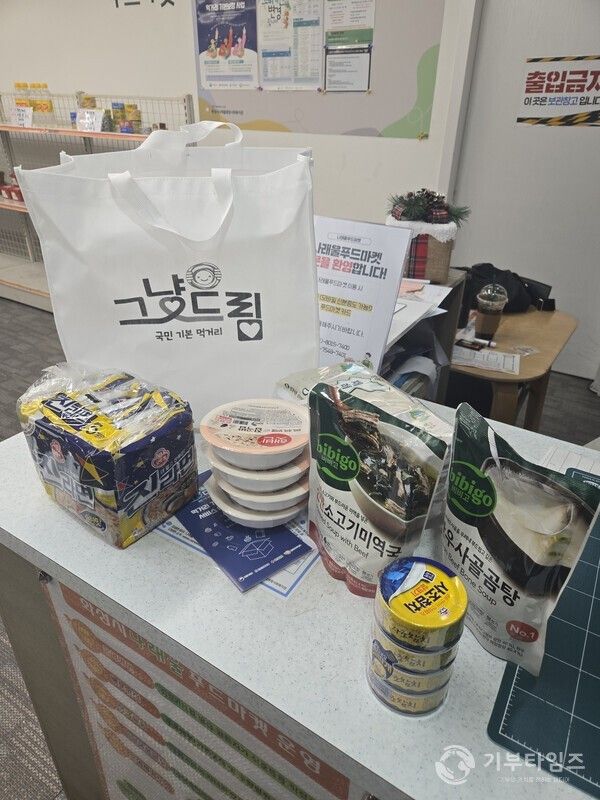
When foreigners ask, "What is Korean donation culture like?" they often expect stories of large corporate donations or celebrity charity events. While those exist, the true heart of Korea’s giving culture lies in a unique, community-driven approach centered on human dignity and trust.
Unlike many Western welfare models that require extensive proof of poverty, a new wave of Korean social programs is prioritizing immediate help over paperwork.
Here is an inside look at how Korea is redefining charity through the lens of the "Just Dream" (Geunyang-Dream) initiative.
1. The Core Philosophy: Trust Over Paperwork In many countries, receiving food aid requires proving you are "poor enough." This process can feel humiliating and stops many struggling people—especially young adults or single parents—from asking for help due to the stigma of poverty.
Korea’s innovative approach, exemplified by the "Just Dream" food markets, operates on a radical idea: "If you say you are hungry, we believe you."
There are no complex forms to fill out, and no bank statements are required. The focus is on protecting the recipient's dignity. This "low-barrier" approach ensures that the so-called "welfare blind spots"—those who fall through the cracks of the official system—are covered.
2. The Cultural Secret Ingredient: ‘Jeong’ (情) To understand Korean donation culture, you must understand ‘Jeong’. It is a uniquely Korean concept often translated as deep affection, attachment, or community bonding.
"Just Dream" centers aren't cold, administrative offices. They are warm, community spaces. Social workers don't act as gatekeepers; they act as neighbors. Their primary role isn’t to check IDs, but to ask, "How have you been?" or "Have you eaten?"
This emotional connection is key. Statistics show that about 50% of visitors return not just for the food, but for the human connection and the comforting "Jeong" they receive.
3. A Welfare Model That Finds the Invisible This trust-based system has an unexpected benefit: thecommunity heals itself. Because there is no shame involved in visiting these centers, people who were once isolated (like elderly living alone or reclusive youths) begin to come out. Furthermore, those who receive help become ambassadors, telling other struggling neighbors, "It’s okay to go there. They treat you with respect."
Conclusion Korea’s unique donation culture, as seen in the "Just Dream" project, teaches the world a valuable lesson: Sometimes, the most effective social safety net isn't built on strict rules, but on simple, unconditional trust and the warmth of human connection.