The Best Place to Share Is Next Door: Micro-Local Giving Turns Leftover Food Into a Neighbor's Meal
Britain's Olio app connects neighbors to share food that would otherwise be thrown away
The warmth of Korea's Karrot marketplace spreads to the dinner table
In Korea's apartment blocks, people live a wall apart without knowing who lives next door. Many single-person households know the feeling of looking at wilting vegetables or a buy-one-get-one loaf they cannot finish. That small dilemma can become a way to connect neighbors.
Sharing rather than donating
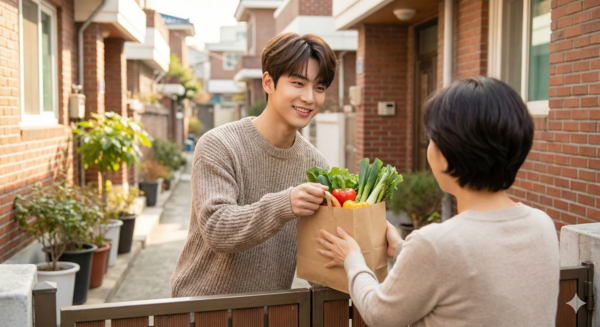
The British app Olio lets people photograph food nearing its date, or leftovers before a trip, and post it so nearby neighbors can pick it up for free. Nobody gives out of solemn duty. People simply decide it is better to share with a neighbor than throw food away. The result is less food waste and more warmth in the neighborhood.
From Karrot to the table
Koreans know this feeling from Karrot, the neighborhood secondhand marketplace, where buyers shyly ask whether they are neighbors and sometimes hand over a small snack after a deal. Micro-local sharing extends that warmth to food: splitting half a watermelon with the family next door or giving leftover cookies to the building guard.
Healing through the closest connections
People want to belong, but chasing distant causes can be tiring. The idea echoes Korea's old tradition of neighbors sharing food over the fence. Sharing what is left in your own refrigerator with the person next door turns potential waste into someone's meal and eases a little of the city's loneliness.
This is an English edition of a Give Times report first published in Korean on January 16, 2026. Read the original: [나눔 라이프 06] 멀리서 찾지 마세요, 가장 힙한 나눔터는 ‘우리 동네’입니다